$150+
Small Repair
Minor holes require clean prep and single compound applications. Quick drying and a return visit ensure a smooth, seamless patch with no traces left behind.
Local Drywall repair Service
That jagged hole near the corner where the drywall’s paper ripped and the rough edges peeled back—it’s not just an eyesore, it’s a pain to patch right. You might think a quick dab of spackle will fix it, but anyone who knows Drywall experts in Cypress sees how those edges won’t blend, leaving a rough patch that sticks out like a sore thumb.
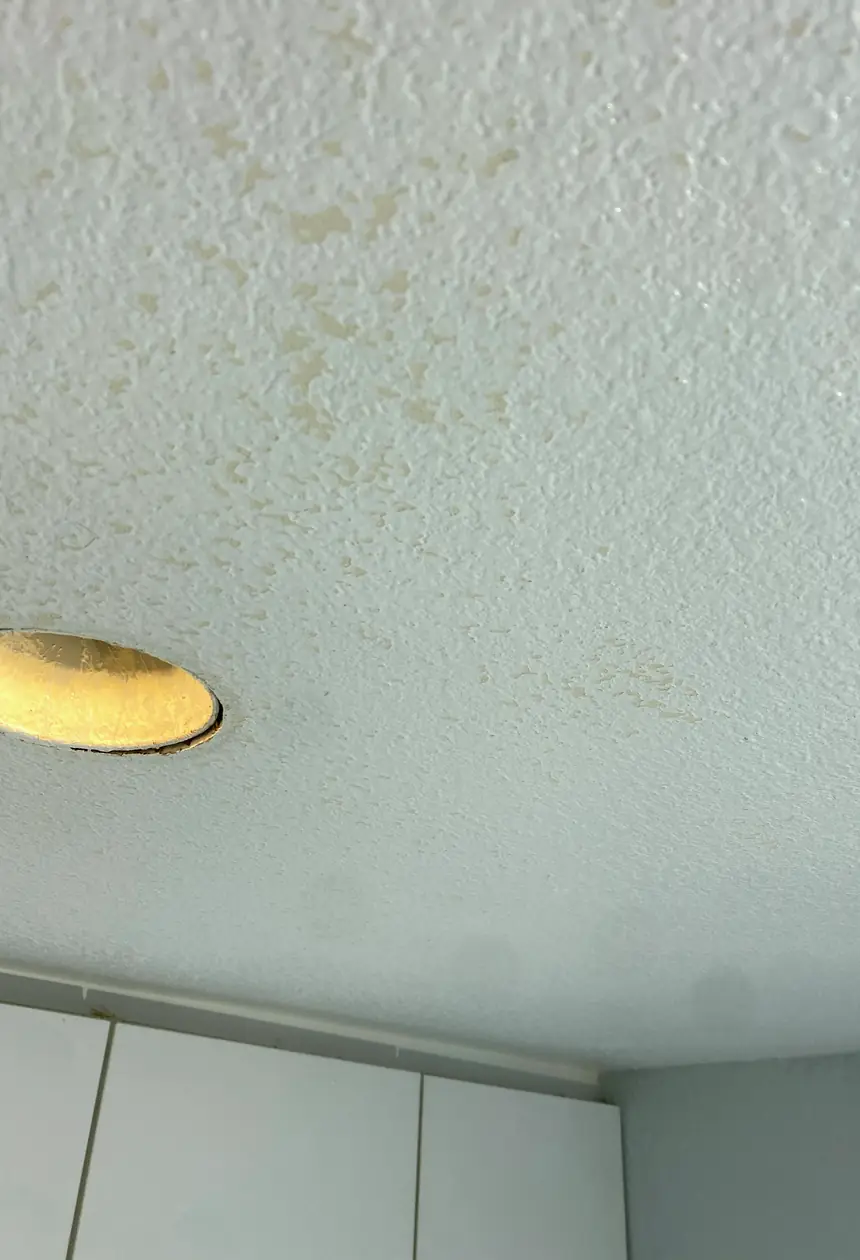
When the corner of the drywall got bumped hard near the hallway, the impact left a jagged hole with broken edges that immediately caught my eye every time I walked by. It wasn’t a huge break, but the damage was right at eye level and rough enough to snag on clothes or cast an annoying shadow, making the whole wall look patchy and unkempt.
I tried patching it myself, using some spackling compound and a small mesh patch, but the repair just shrank and cracked after drying. The seams stayed visible, and under the morning sunlight, the texture mismatch became painfully obvious — it turned into an eyesore rather than a fix. No matter how much sanding I did, the shadow lines and slight paint mismatch stuck out like a sore thumb.
Tired of botched attempts, I called Drywall experts in Cypress to handle the repair. Their approach was precise—multiple thin compound layers carefully feathered and sanded until the patch blended perfectly with the surrounding wall. They paid close attention to texture and light reflection. The workspace was kept clean with dust control, and the job was done right the first time. Now, there’s no visible patch or shadow; the wall looks flat and flawless from every angle. That small but exact fix made all the difference.
For Cypress homes, Drywall experts handle visible patches, failed DIY attempts, rough openings, and texture mismatches. Pricing reflects what it actually takes to fix what you now see with lasting quality.
$150+
Minor holes require clean prep and single compound applications. Quick drying and a return visit ensure a smooth, seamless patch with no traces left behind.
$280+
Failed DIY and rough openings demand more prep, multiple compound layers, and extended drying times. Additional visits allow thorough refinishing and texture matching.
$420+
When textures don’t match, blending requires complex layering, slow drying, and precise finish work. This prevents future touch-ups and guarantees invisible, lasting results.
Top-Rated Drywall repair — 5 Stars on Yelp & Google
Reliable Drywall experts in Cypress providing precise drywall repair services with attention to detail, sanding, texture matching, and clean finishes.
★★★★★
Had a big hole from a slammed door; the patch ended up needing more than just filling. They came back for a second pass and cleaned up every bit of dust.
Anna L
★★★★★
Tried fixing a dent with a DIY patch but the texture looked off and paint peeled the next week. These pros did drywall and paint that didn’t draw any attention.
Chris D
★★★★★
Soft drywall near the corner was sinking and cracking. The handyman showed up on time, explained everything, and the final surface feels solid with smooth blending.
Miguel R.
★★★★★
Called for a drywall patch near me after a botched job left uneven seams. They sanded carefully, didn’t rush drying, and the wall now matches the rest perfectly.
Jules
★★★★★
Paint mismatch from previous repairs was driving me nuts. They carefully feathered in new drywall and paint layers. Took a couple of days but no callbacks needed.
Nina T
★★★★★
The uneven texture on my living room wall looked like it was from bad drywall installation. They controlled dust well and fixed it so it barely shows under normal light.
Harold P
★★★★★
Their drywall repair services sorted out cracks and dents I'd ignored for a while. They didn’t rush drying and came back the next day for a perfect finish.
Samantha J
★★★★★
Used them again because last time they kept the area clean and explained all steps. This visit was for a wall with flashing paint and old bad patches—now it looks natural.
Mark B
Our Drywall experts address impact damage, rough patches, and visible seams with precise steps ensuring a clean, stable repair that disappears under all lighting conditions.
We carefully define the damaged area by removing loose material and stabilizing edges to prevent future cracking. Rushing here often leads to patch edges that lift and remain visible under light.
A custom-cut drywall patch is installed flush with the wall. Poorly sized patches cause bumps or gaps that catch shadows, while experts ensure a snug, seamless fit for a solid base.
Layered joint compound is built up gradually, allowing ample drying time. Skipping this causes shrinkage cracks and uneven surfaces that make repair obvious, unlike the uniform finish achieved by pros.
We sand carefully with progressive grits, feathering edges to blend into the wall. DIY sanding often leaves harsh lines or dust haze, whereas controlled dust and expert technique reveal a flawless transition.
The final texture is matched precisely and painted with feathered strokes to avoid flash spots. Skipping this step or poor blending causes visible patches under changing light angles and shadows.
Common concerns homeowners face when drywall damage is visible, explained by knowledgeable Drywall experts in Cypress. Understand why problems persist and how proper repair prevents ongoing issues.
When you patch drywall and the compound looks smooth wet, it often shrinks as it dries, causing cracks and gaps. This happens because the mud wasn’t applied or layered properly. If ignored, cracks widen over time, making the damage more obvious. Proper fix means multiple coats, sanding between them, and ensuring the mud fully dries—this way, the surface is stable and cracks don’t return.
Even after painting, the patch can show if the texture or drywall paper wasn’t blended correctly. Light hitting the wall emphasizes differences in texture and tiny edges where the patch meets the old wall. If you skip matching the wall’s texture or sand unevenly, the patch stands out and becomes easier to see over time. The fix is to re-skim the area, blend textures carefully, then prime before painting for a seamless look.
DIY patching seems simple but without proper techniques it often fails—cracks reappear, texture mismatches, and uneven paint shows. Many homeowners find their patches keep coming back or look worse under certain lighting. Experts use correct mud mixes, sanding, and blending skills to deliver a clean job with no callbacks. If you want a durable result, calling Drywall experts in Cypress means less hassle down the line.
Costs depend on damage size, texture matching, and prep work needed. A small hole might look simple but if the texture is complicated or there’s water damage, it takes more time and skill. Skipping steps or doing a quick patch leads to more repairs later, costing more over time. Proper repairs focus on clean edges, stable compound layers, and texture blending which needs more effort but prevents constant fixes.
Patching alone won’t help if the drywall behind is soft, moldy, or water damaged. Visible cracks or dents can hide deeper issues like framing problems or moisture. Ignoring those causes means the patch fails again quickly. Proper repair involves inspecting behind the wall, replacing damaged drywall if needed, and then doing a clean patch with textured blending to ensure the fix lasts without the problem resurfacing.
Side light or sunlight reveals tiny bumps and edges where new drywall mud wasn’t feathered smoothly or texture doesn’t match original finish. This contrast happens because the mud shrinks or the texture spray wasn’t consistent. If left as is, the patch is easy to spot and ruins the wall’s look. A skilled repair blends texture by sanding and reapplying mud in layers, matching light reflection for a uniform surface.
A quick patch might dry and look fine at first but often shrinks, causing new cracks in days or weeks. If your patch keeps returning, chances are sanding was poor or drywall mud wasn’t fully dry before painting. A durable repair takes time—multiple mud layers, thorough sanding, and ensuring everything is fully cured before painting. Proper blending and prep by Drywall experts in Cypress ensures a stable, long-term fix.
Our drywall repair work is centered in Cypress, where we handle visible wall damage with patch and finish work through short visits suited for small repairs. We extend into nearby parts of Orange County, grouping jobs efficiently to manage return trips and keep scheduling practical due to travel times. This approach helps us stay responsive while covering a reasonable surrounding area.
Beyond Cypress, we work on drywall repairs in neighboring communities where grouping repairs keeps travel and scheduling manageable. Garden Grove and Los Alamitos.
When you notice dents or cracks in your walls, especially around older homes in Cypress, we’re ready to step in. Whether it’s a small patch or a larger repair just outside town, our Drywall experts handle damage quickly so your walls look smooth again without the wait.
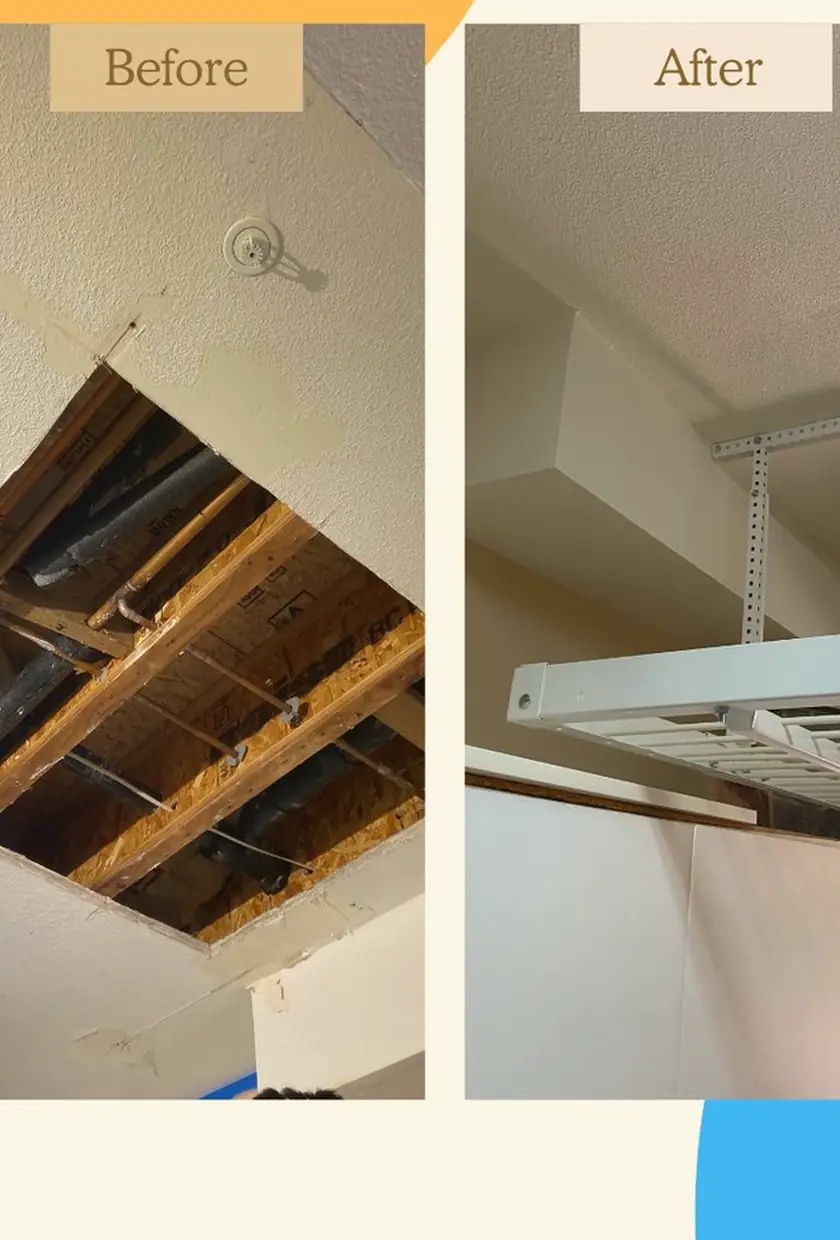
Homeowners often ask about these drywall issues during the same visit.
HubPro also handles these home repair tasks in Cypress when you need more than drywall repair.
In Cypress homes, drywall damage often begins subtly and intensifies without proper care. Drywall experts recognize how small dents evolve into visible cracks and holes, making repair tougher down the line.
Repeated contact from swinging door handles leaves small but noticeable dimples or chipped paint on drywall surfaces, starting minor imperfections that gradually enlarge with daily use.
To reach plumbing or electrical lines, utility cutouts create rough-edged gypsum patches that disrupt the wall’s smooth finish—hard to seamlessly blend once exposed.
Heavy TVs or shelves fastened poorly pull drywall anchors loose, causing angular fractures and loosened drywall sections that visibly sag or crumble around anchor holes.
Natural shifting in Cypress foundations leads to small hairline cracks along corners and seams, and often chips the drywall texture, marking the onset of structural opening risks.