Impact from door handles
Repeated swinging of a door hitting drywall causes shallow dents and chipped surface areas, leaving uneven edges that are tricky to blend back seamlessly.
Local Drywall repair Service
That jagged hole near the corner of the wall didn’t just happen—it’s got rough, crumbling edges and the paint’s peeling around it. You thought a quick patch might do, but even the Drywall patch guys in Lake Forest would tell you uneven surfaces like this never just blend in cleanly.
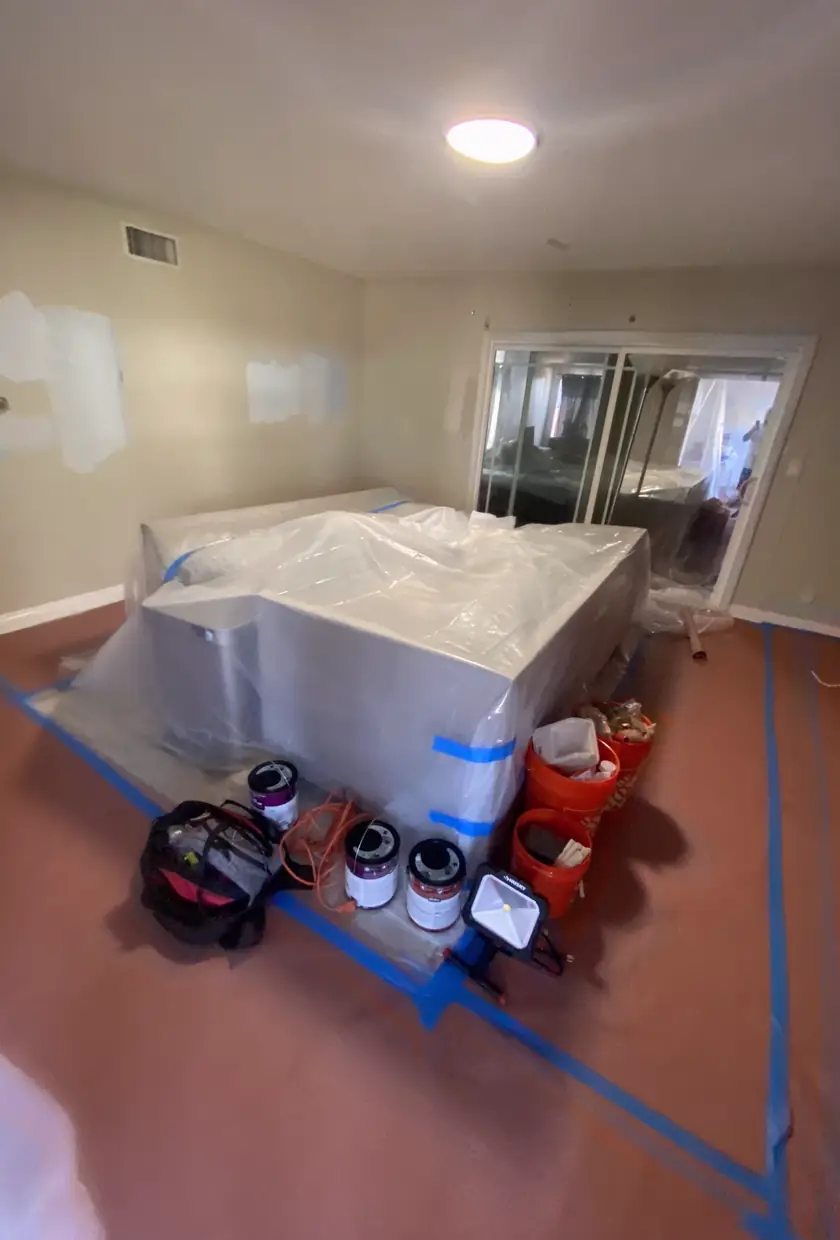
I slammed a chair leg into the wall in the living room, leaving a jagged hole with cracked edges. The damage caught every bit of the afternoon light, making that flaw impossible to ignore. I tried to ignore it at first, but every time the sun hit just right, the rough spot stood out like a sore thumb.
Hoping to save some cash, I grabbed a patch kit and went to work myself. The compound dried hard, but when I sanded it down, the edges shrank differently, and the seams still caught the light oddly. No matter how I tried, the texture never quite matched, and the uneven patch threw subtle shadows. The wall looked worse, and I knew this wasn’t a quick fix I could handle.
When the Drywall patch guys finally showed up, the difference was clear. They carefully removed what was left of the flawed patch, controlled the dust, and feathered multiple thin layers of compound until the surface was perfectly flat. Their precision sanding and paint blending meant no shadows or lines from any angle. The repair was so clean, I had no callbacks. It looked exactly like new—done right the first time by the Drywall patch guys I trusted.
In Lake Forest homes, small drywall damages often begin unnoticed but quickly worsen. Understanding these origins shows why Drywall patch guys face challenging fixes beyond simple patches.
Repeated swinging of a door hitting drywall causes shallow dents and chipped surface areas, leaving uneven edges that are tricky to blend back seamlessly.
Plumbers or electricians cut precise openings to reach pipes or wires, leaving visible rectangular holes with rough edges that rarely match the surrounding wall texture when patched.
Improperly secured TV brackets or anchors pulled out leave jagged, wider holes where drywall paper tears apart, making smooth repairs difficult and noticeable.
As homes shift, corners and seams develop thin, irregular cracks or break lines, often spreading and creating rough, uneven surfaces that complicate restoration.
For homeowners in Lake Forest, Drywall patch guys know that fixing visible patches, failed DIY jobs, or rough openings demands careful prep and blending to restore a flawless wall — not just filling holes.
$150+
Basic repairs require surface prep and applying compound in one or two passes with drying time. Clean finish work ensures no visible edges, avoiding quick-fix failures.
$280+
Texture mismatches need extra layers and careful blending to match the existing wall. Multiple drying cycles and a return visit guarantee a seamless, natural look.
$420+
Rough openings or repairs of failed DIY attempts take extensive prep, three or more compound layers, plus longer drying time to deliver a smooth, invisible finish the first time.
Top-Rated Drywall repair — 5 Stars on Yelp & Google
Real experiences with Drywall patch guys in Lake Forest show how skilled help fixes frustrating wall damage, from holes to texture issues, delivering seamless results.
★★★★★
Had a big hole from door handle damage; tried a quick fix but the edges cracked next day. The drywall repair services pros did a smooth patch and the wall looks solid now.
Jessica M
★★★★★
Tried a DIY patch on a dent and ended up with uneven texture that only stood out worse under light. The guys came back for a second pass of sanding and texture matching—much better now.
Carlos T
★★★★★
The paint on my repaired wall never matched before, looked flashing and blotchy. They explained what they did and redid the drywall and paint properly, now it’s a lot less noticeable.
Anna L
★★★★★
Soft drywall near the corner had water damage; first patch sunk after drying overnight. They didn’t rush drying the second time and ended up needing more than a patch to stabilize it.
Mark
★★★★★
Noticed the seams were uneven and previous fix left weird lines. These guys used careful sanding and blending techniques. They controlled dust well and even cleaned up after themselves.
Chris D
★★★★★
Had a large crack that needed drywall installation instead of just patching. They showed up on time, explained the full process, and now the wall doesn’t draw attention at all.
Samantha R
★★★★★
I searched 'drywall patch near me' due to a dent; previous handyperson patch was rough and visible. This crew came back for a second pass sanding and the finish blends under natural light.
Timothy O
★★★★★
I thought my small hole needed just a quick touch-up but patching it myself made the texture worse. They did meticulous sheetrock repair and it’s barely noticeable now—no callbacks needed.
Megan W
When you see impact damage, rough patches, or visible seams, Drywall patch guys follow a precise process that ensures a clean, stable patch and an invisible finish under any light.
First, we carefully cut out loose drywall around the damaged zone, stabilizing edges to prevent further cracking. DIYers often skip this, causing uneven patches that show under direct light.
A custom-cut drywall piece is inserted, flush with the surface. Incorrect fits or gaps lead to visible curls or valleys as the patch settles—something we avoid through precise measuring.
We build up joint compound in thin layers, allowing controlled drying to avoid shrinkage cracks. Rushing this results in sunken spots and edges catching light, ruining the patch’s invisibility.
Careful sanding removes ridges and feather-edges the patch into existing surfaces. Poor blending leaves seams visible when light grazes the wall, a common DIY issue due to impatient sanding.
We replicate original textures then paint to blend flawlessly. Skipped or mismatched textures create shadows and flashes under lighting, signaling flawed repairs and inviting callbacks.
Common homeowner questions about visible drywall damage and why quick fixes fail. Honest answers from Drywall patch guys in Lake Forest showing the real repair process.
When a patch looks wet but feels dry, it’s usually fresh compound that dried unevenly. The surface may harden quickly but deeper layers shrink as they dry, causing cracks or dips the next day. Ignoring this often means the damage reappears or worsens. Proper repair involves applying compound in thin layers, letting each fully dry, then sanding and blending so the patch is stable and smooth under paint.
Visible edges after painting usually happen because the texture or sanding wasn’t properly matched to the surrounding wall. Sometimes side lighting reveals slight ridges or unevenness that paint can’t hide. If left, this stands out more over time and catches every glance. The fix is carefully feathering the patch edges, matching texture, sanding, then priming before painting to blend everything seamlessly.
DIY patches often look okay but shrink or crack later because the compound wasn't applied right or sanded well. Usually, lack of proper blending or thin layering causes the patch to fail repeatedly. A professional repair ensures all layers dry thoroughly, the edges blend perfectly, and texture matches. This process delivers a clean, stable result with no callbacks or visible flaws.
Materials like compound and tape aren’t expensive, but the time and skill to prep, layer, sand, texture, and paint add up. If the patch isn’t done correctly, it can fail again, meaning more work later. Quality repair means proper blending and drying times that avoid damage returning. Drywall patch guys in Lake Forest factor in this expertise to ensure your wall stays flawless long term.
If the damage is large, water-stained, or the drywall is crumbling, just patching won’t hold because the material underneath is compromised. Small dents heal with simple patches, but worse damage means cutting out bad drywall completely. Skipping this can cause the problem to come back or spread. Proper repair involves replacement plus patching after the area is stable and dry.
Wall texture can appear uneven when side lighting highlights subtle bumps or flat spots missed during repair. This happens if the compound was sanded too smooth or the texture wasn’t matched accurately. Over time, the patch sticks out, breaking the room’s look. Proper technique blends texture by layering, light sanding, and sometimes adding texture materials so repair disappears in all lighting.
A patch can seem dry within hours, but compound layers shrink and cure over days; starting paint too soon can cause cracking or peeling. If you rush, the patch will fail and show again. Proper repair includes multiple thin coats, full drying between layers, sanding, and then waiting to paint for a fully stable finish that lasts without cracking or calls for redo.
Our drywall repair work centers on Lake Forest, where smaller jobs like patching visible wall damage and finish touch-ups fit well with quick visits. We schedule repairs in nearby spots within about a 30-minute drive in Orange County, allowing us to group jobs logically and handle any necessary return trips without stretching out timing impractically.
Expanding a bit beyond Lake Forest, we cover closely connected cities where short travel keeps scheduling tight and repairs straightforward. Mission Viejo and Rancho Santa Margarita.
When a wall gets damaged—whether from a dent, hole, or water stain—the Drywall patch guys near Lake Forest handle the fix quickly and cleanly. We take care of those unsightly spots in neighboring towns too, making sure repairs blend in smoothly without long waits.
Homeowners often ask about these drywall issues during the same visit.
HubPro also handles these home repair tasks in Lake Forest when you need more than drywall repair.