$150+
Small Repair
Fixing small visible patches requires careful surface prep and one to two compound applications with drying time, ensuring the repair blends cleanly without calls for touch-ups.
Local Drywall repair Service
Just noticed that jagged hole in the drywall, edges chipped and paint peeling around it—it’s not just an eyesore, it’s rough to the touch and sticks out like a sore thumb. Thought about a quick patch, but those never sit right. Guess I’m searching for a Drywall guy near me in San Clemente now.
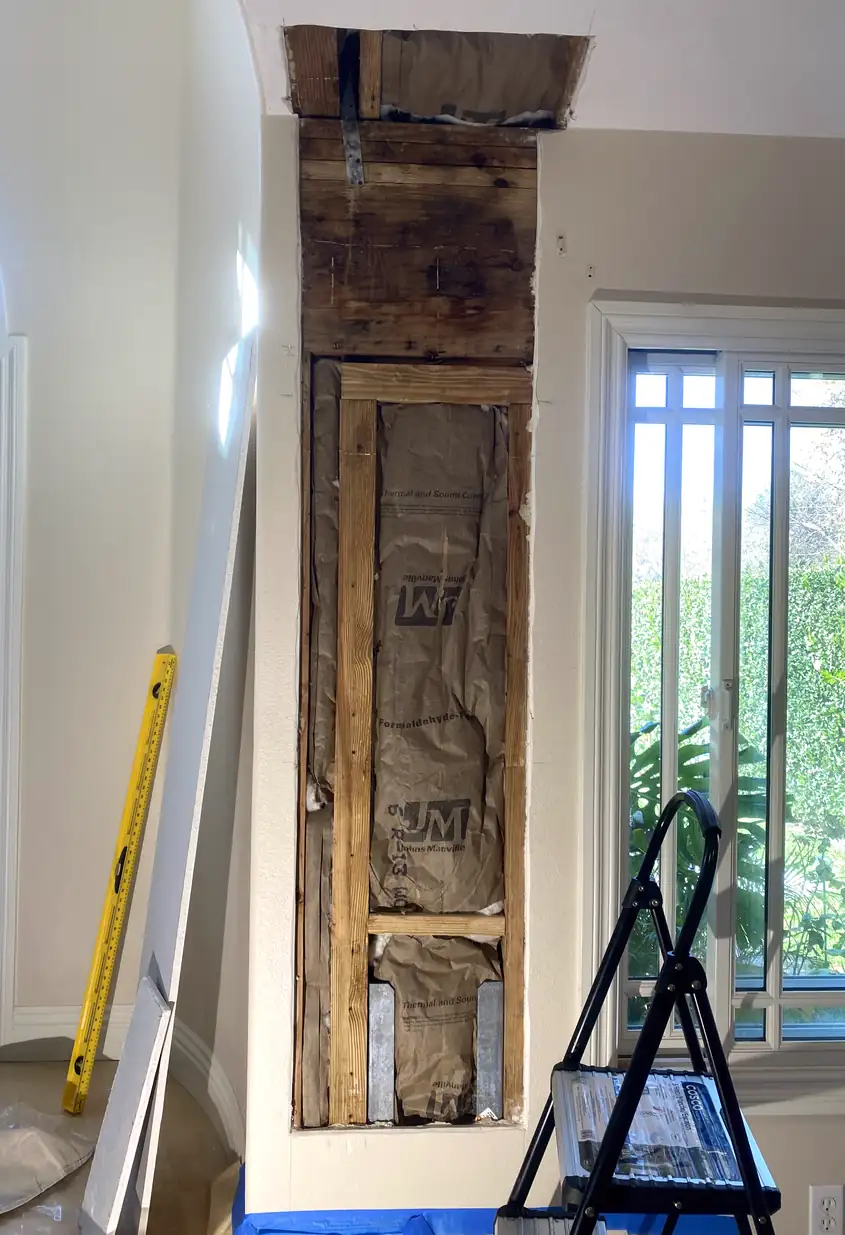
I came home one afternoon to find a sharp-edged hole in my drywall where a door handle had hammered through during a rough move. The edges were jagged, drywall dust scattered on the floor, and the damage looked worse than I thought. It wasn’t just a crack; this was a chunk missing right where light from the window hits the wall, making it impossible to ignore. I knew if left untreated, that opening would only get bigger and start to peel at the edges.
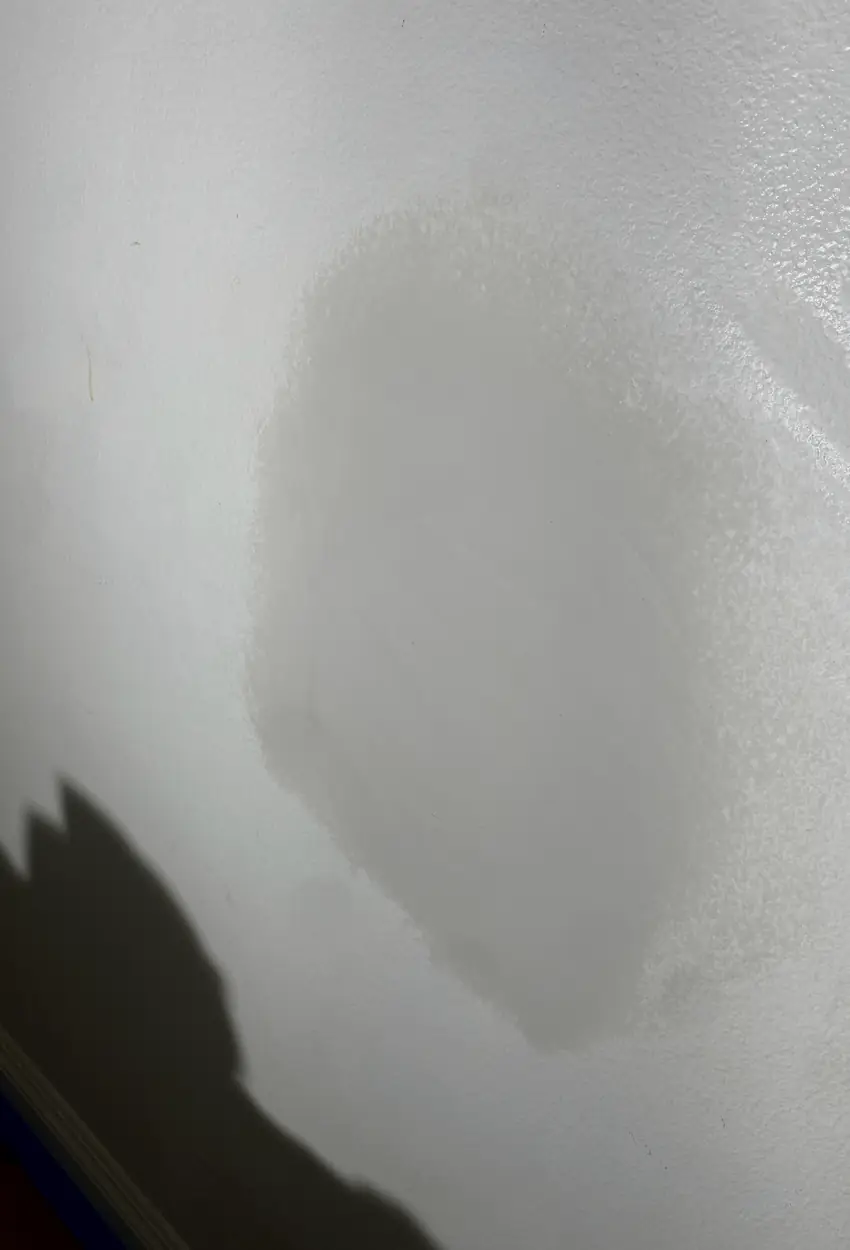
Trying to patch it myself was a mistake. The mud I applied shrank as it dried, leaving cracks along the seams. I sanded down the patch repeatedly, yet the texture never matched the surrounding wall. Under the afternoon sun, the patch looked like a dull blotch with obvious ridges and a faint shadow line that mocked every attempt to blend it. It made me realize drywall repair isn’t just slapping on compound—feathering and matching the subtle wall texture takes skill.
Finally, I called a Drywall guy near me. He handled the job with precision, sanding and layering compound carefully to feather the patch into the wall’s original texture. He controlled dust with plastic barriers, leaving the room spotless. By the time he finished, there was no visible patch, no shadow lines even under direct light. The wall looked completely flat and consistent from every angle. No callbacks needed—he got it right the first time. That’s when I understood why a true professional is worth it for this kind of fix.
Finding a reliable Drywall guy near me in San Clemente means addressing visible patches, failed DIY attempts, rough openings, and mismatched textures with thorough care to ensure flawless results.
$150+
Fixing small visible patches requires careful surface prep and one to two compound applications with drying time, ensuring the repair blends cleanly without calls for touch-ups.
$280+
Repairs involving failed DIY jobs need extra prep to remove uneven material, multiple compound layers, and longer drying cycles to achieve a consistent finish that holds over time.
$420+
Handling rough openings or mismatched texture demands extensive prep, several compound passes with return visits, and expert blending for seamless results that hide the repair entirely.
Top-Rated Drywall repair — 5 Stars on Yelp & Google
Real customer feedback highlighting the expertise of a Drywall guy near me in San Clemente in fixing complex drywall issues with seamless results.
★★★★★
Had a big hole from a door handle smashing the wall. Tried a DIY patch but it cracked next day. The Drywall guy near me fixed it with sheetrock repair that actually held up and got the edge perfect.
Janet M
★★★★★
Previous handyman did a quick drywall patch but the texture was off and paint peeled. This time he explained the drywall repair services, sanded carefully, and came back for a second pass to blend everything well.
Chris D
★★★★★
There was a dent and cracked edge near the kitchen doorway. I thought it was fine at first but it kept looking uneven. He did a drywall patch near me, controlled dust, and the finish no longer draws attention.
Laura P
★★★★★
Soft drywall around the electrical box was a headache. After a poor fix, I called for drywall and paint—he reinstalled the drywall section, matched texture, and didn’t rush drying. No callbacks so far.
Oscar L
★★★★★
Messy paint transitions frustrated me after a patch job. He used drywall installation skills, cleaned up all dust, and came back for sanding to make sure the wall’s surface looked consistent under sunlight.
Anna L
★★★★★
I spotted a bad patch that stood out with flashing paint and uneven sanding. The handyman showed up on time, explained his approach, and fixed it so the repair blends under light perfectly. No dust left behind.
Michael R
★★★★★
My wall had uneven texture from a DIY patch that sunk a day later. She came back for a second pass, kept the area clean, and patiently sanded down until the surface matched the rest of the wall seamlessly.
Tina K
★★★★★
Repeated cracks near the baseboard made me skeptical. This drywaller didn’t rush drying, showed up on time, and fixed the issue so well the seams are invisible now—no callbacks needed here.
David B
When you search for a Drywall guy near me in San Clemente, CA, fixing visible impact damage, rough patches, and seams requires precision to prevent shadows and uneven surfaces.
Start by cutting away loose drywall around the impact to create a firm edge. Stabilizing this area is essential; otherwise, the patch won't hold and the damage will reappear under light’s reflection.
Measure and fit a new drywall piece precisely into the opening. A shaky patch leads to uneven surfaces, meaning shadows reveal the repair. DIY attempts often skip accurate cutting, causing visible bumps.
Build up joint compound in thin layers, allowing full drying between each. Rushed drying or thick coats cause cracking or shrinking, leaving ridges or dips that catch light and ruin the finish.
Use fine sanding and feather edges progressively to blend the patch into the wall. Poor sanding or harsh edges create visible seams, especially when light grazes the area, exposing the repair work.
Integrate texture carefully to mirror surrounding patterns, then paint with color-matched finish. Skipping texture or uneven paint layers often cause flashing paint effects that highlight repairs.
Finish by controlling dust cleanup and inspecting the repair under natural and artificial light to ensure invisibility. This avoids callbacks and confirms a stable, flawless patch—something DIY usually misses.
Common homeowner questions after spotting drywall damage reveal visible issues, causes, risks of ignoring, and why proper repairs matter.
You might see the patch looking damp or darker the day after repair because joint compound shrinks as it dries. If not applied right or rushed, moisture can linger, causing the patch to weaken or crack over time. Proper repair requires letting compound dry fully between coats and sanding cleanly to avoid these issues.
When a patch is sanded unevenly or texture isn’t matched, side lighting exposes the edges as shadows or outlines. This happens because the new surface doesn't blend smooth with the original wall. Ignoring this makes flaws more obvious. A skilled Drywall guy near me in San Clemente ensures seamless texture blending and feathered sanding to hide edges completely.
Patches that weren't primed properly or have differences in surface texture can cause paint to look blotchy or the repair to show. This happens because paint soaks differently on patched areas. If left, the wall looks uneven and rough. Proper repair includes priming and replicating the wall's texture before painting again to get a clean blend.
If damage is deep, spreads, or caused by moisture, a patch alone won’t hold up. You’ll notice the repair keeps cracking or peeling as the area isn’t stable. Ignoring this only worsens the damage. A proper fix often involves cutting out the damaged section, replacing drywall, and then finishing to ensure long-term stability and clean repair.
Surface patches are simple but solid repair demands prep work, multiple drying times, texture matching, and sometimes replacing drywall behind damaged areas. What you see as a small spot may hide bigger issues. Professional repair ensures no callbacks and durable results, which can save money over repeated sloppy fixes that fail repeatedly.
Even with a perfectly applied patch, light hitting at an angle exposes texture mismatches making repairs stand out. Subtle wall textures must be closely replicated and blended over a large enough area to hide repairs. Failure to do so means the patch becomes a permanent spot. Proper texture blending prevents this and keeps walls looking consistent under varying light.
Walls with hairline cracks or patches that shrink back indicate poor adhesion or drying issues. If the patch cracks again, it’s usually because the prep or compound wasn’t done right. Durable repairs involve cleaning the damaged area, using the correct materials, multiple coats, proper sanding, and texture blending. This approach avoids repeat damage and keeps walls stable.
Based in San Clemente, our drywall repair work focuses on small patches, finish touch-ups, and visible wall damage that can often be tackled in short visits. We group nearby jobs to keep trips efficient and can handle return visits as needed, especially since Orange County traffic affects scheduling but not quality. We typically cover areas within about a 20-30 minute drive to maintain practical service flow.
Beyond San Clemente, we routinely take on repairs in nearby cities that let us cluster jobs for smoother scheduling and quicker turnarounds. Dana Point and San Juan Capistrano.
Whether it’s a small hole or a cracked seam, handling drywall repair just beyond San Clemente is part of the routine. When walls show visible damage, quick fixes help keep homes in good shape without waiting days for attention. Nearby spots get the same careful patching and smooth results on short notice.
Homeowners often ask about these drywall issues during the same visit.
HubPro also handles these home repair tasks in San Clemente when you need more than drywall repair.
In San Clemente, spotting a Drywall guy near me starts with recognizing how small snags evolve. What looks minor first often spirals into visible cracks and holes, each step harder to mask seamlessly.
A door swinging open too forcefully can leave shallow dents or chipped paint near the corner, creating uneven edges that catch your eye and hint at bigger underlying wear.
Tiny, rough patches appear after plumbers or electricians slice drywall to reach pipes or wiring, often leaving jagged holes that resist flush finishing and easily show over time.
Removing TV mounts or heavy shelves pulls drywall anchors free, peeling off paper layers and leaving exposed craters and flaking textures that are difficult to simply patch over.
Small structural movements prompt thin cracks along corners and seams, sometimes breaking the drywall paper entirely; these stress lines widen gradually if left unattended.