Accidental Impact Dings
A slammed door or a misjudged chair can leave small but noticeable dents and shallow cracks. These blemishes disrupt the smooth wall surface and rarely fade away without professional attention.
Local Drywall repair Service
That jagged hole by the door frame wasn't there yesterday—the chipped edges and rough patch catch the light, and the cracked paint just makes it look worse. You can tell a quick fix won’t hide it, but that’s exactly the kind of thing Sheetrock repair in Garden Grove can’t wait on.
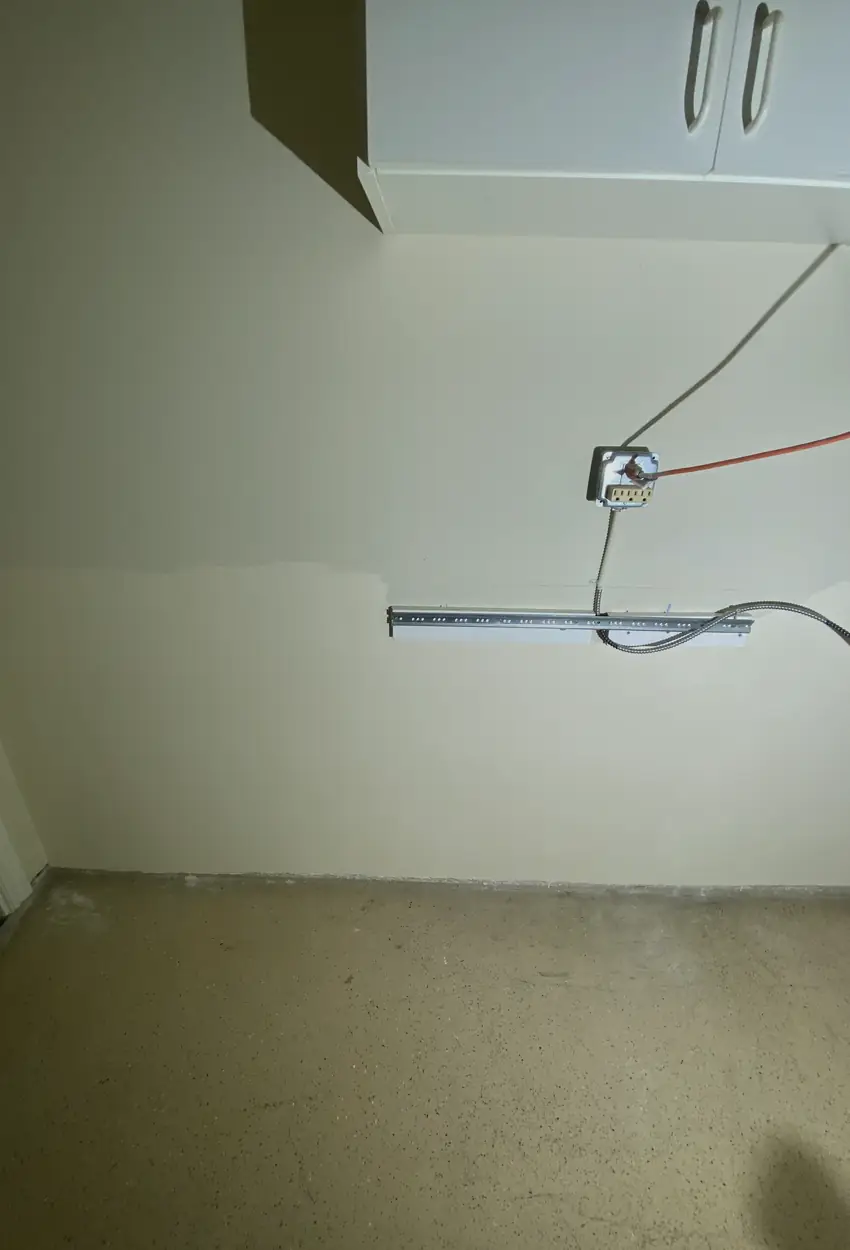
A careless bump left a sizable hole in the corner of the living room wall, the edges jagged and crumbling. You noticed the rough tear right away—paint chipped, drywall paper hanging loose, an eyesore where the TV used to be perfectly framed. At first, you thought it was a quick fix: just patch it, sand it, and paint. The mess was glaring every time light hit it just right, emphasizing the uneven surface and ragged seams.
So, you tried the DIY route—applied a patch kit, layered compound, and went over it with sandpaper. But instead of blending in, the patch shrank, the seams stayed visible, and the paint color was off by a shade or two. In harsh light, the repair stood out like a beacon. The subtle texture and feathered edges weren’t there, making the flaw even more obvious with every glance. Frustration set in. This wasn’t as simple as a few quick fixes.
Calling in a pro for Sheetrock repair was the right call. The handyman worked meticulously, controlling dust and sanding between multiple thin layers of compound to feather the edges flawlessly. They matched the texture precisely, adjusting for how the light would hit the surface at different angles. The end result? No visible patch, no shadow lines—the wall looked as if it had never been damaged. The job was done right the first time with clean cuts and careful blending, so there was no need for callbacks or second attempts.
Common questions homeowners face with visible drywall damage in Garden Grove, explained from a contractor’s perspective for proper Sheetrock repair.
When you see a patch that looks wet the next day, it’s often because the compound hasn’t fully dried. Moisture trapped inside causes shrinkage after drying, leading to cracks or dents. Ignoring this results in an uneven surface that becomes more obvious over time. Proper repair involves allowing enough drying time between layers and sanding smoothly, ensuring a stable, clean finish.
If you notice the patch edges visible in side light after painting, it’s usually due to poor blending of texture and improper sanding. When the patch texture doesn’t match the rest of the wall, paint highlights these differences. Leaving it means the flaw remains noticeable and frustrates homeowners. The fix requires carefully feathering the patch edges and replicating the wall texture before a consistent repaint.
A visible patch may seem like an easy DIY, but improper patching often results in bubbles, cracks, or mismatched texture. Failed attempts cause repeated issues that become more visible and require more work. Professionals ensure clean work with proper layering, sanding, and texture blending, delivering a no-callback, durable repair that stays flat and less noticeable.
When drywall damage shows, simple patches might hide the surface temporarily but fail to address texture, sanding, and paint blending, making issues resurface. Higher costs reflect the time to prep, feather edges, match texture, and ensure paint coverage, which delivers a long-lasting repair. Cheap fixes often mean cracked or visible patches that need redoing sooner, costing more overall.
If damage is deep, has water stains, or the drywall crumbles, just patching won’t hold. Ignoring this leads to the repair failing again or spreading damage. Proper repair sometimes means cutting out the damaged section, replacing drywall, then taping and finishing with texture and paint blending to provide a stable, clean surface that lasts.
Side lighting highlights even minor imperfections like patch edges or texture mismatch after repair. This occurs because the patched area wasn’t blended properly or the drywall skim coat didn’t match surrounding texture. If unaddressed, these issues draw constant attention. The correct approach uses careful sanding and texture replication under similar lighting before repainting to avoid persistent visibility.
Visible damage that’s just patched without proper prep often shrinks or cracks with normal use or humidity changes, making it come back. Durable repairs require solid layering, sanding, and texture blending along with proper drying times. This stable method reduces chances of future failures, ensuring the repair remains smooth and clean over time even in active areas.
Based in Garden Grove, drywall repair jobs typically involve small patches, finish work, and fixing visible wall damage. Because these tasks are usually quick, we plan routes within a short drive throughout nearby Orange County to handle multiple jobs in a day. Return visits are scheduled thoughtfully for finishing touches, keeping travel practical and workflow smooth.
Outside Garden Grove, service extends into adjacent parts of Orange County, focusing on areas reachable within a reasonable drive time to manage repairs efficiently. Santa Ana and Westminster.
When walls show cracks or dents from everyday wear, we handle drywall and Sheetrock repairs with the care needed to blend new patches seamlessly. Serving Garden Grove and nearby neighborhoods, we’re ready to tackle those smaller repair jobs promptly, ensuring your walls look smooth and sound without long waits.
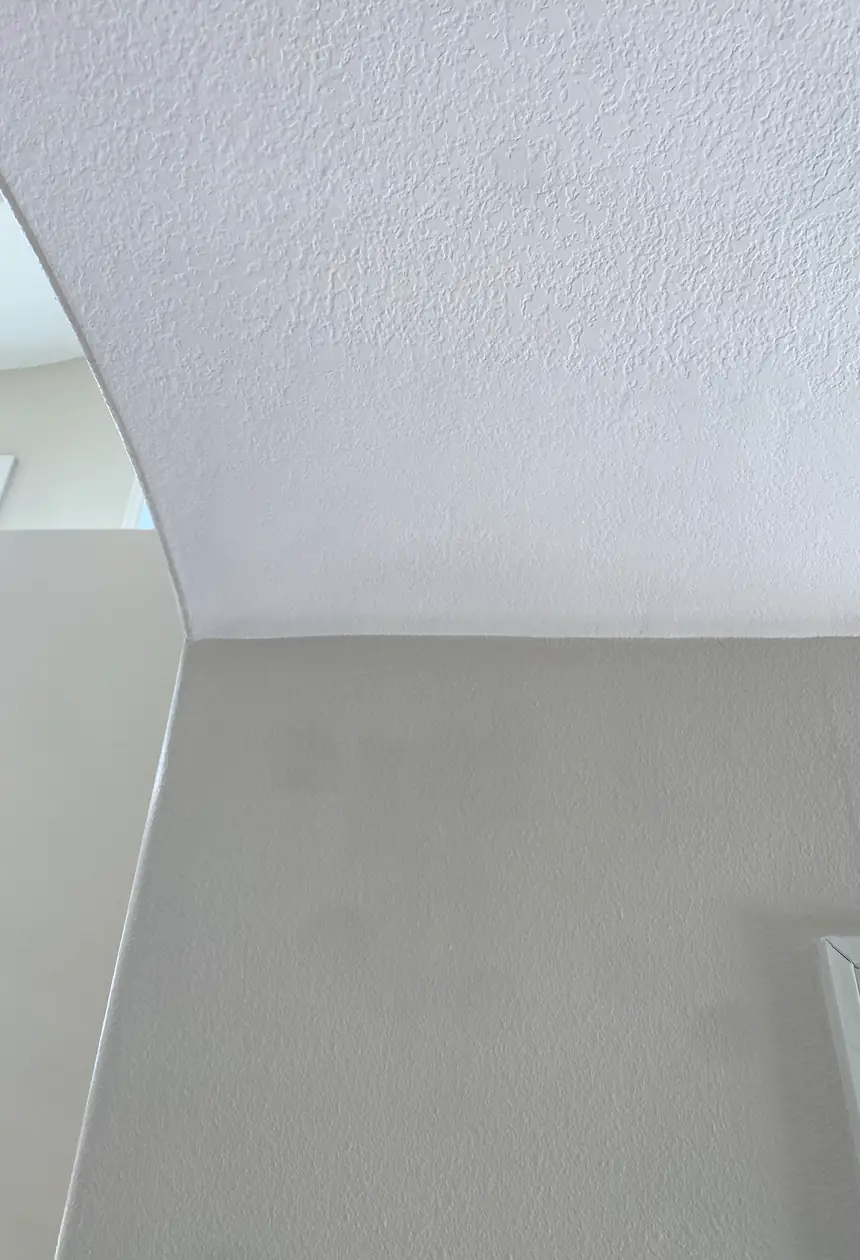
Homeowners often ask about these drywall issues during the same visit.
HubPro also handles these home repair tasks in Garden Grove when you need more than drywall repair.
Sheetrock repair in Garden Grove often begins with minor dings that seem harmless but quickly escalate into more serious wall damage. Recognizing the origins helps homeowners understand how issues worsen over time.
A slammed door or a misjudged chair can leave small but noticeable dents and shallow cracks. These blemishes disrupt the smooth wall surface and rarely fade away without professional attention.
To run new pipes or wires, precise holes are cut, leaving jagged edges that compromise the wall’s integrity. These openings often lack clean finishes, making simple patch jobs visibly uneven.
Heavy TV brackets or shelves pulled loose create ragged holes and broken textures where anchors once held firmly. This kind of damage can cause large sections of drywall to crumble or separate.
Subtle shifts in the home’s frame cause thin, spreading cracks along corners or seams. Over time, these cracks widen and break the surface, creating uneven gaps that are tough to disguise.
In Garden Grove, Sheetrock repair requires skill beyond patching—matching textures, fixing botched DIY spots, and prepping rough openings impact cost to ensure a seamless finish.
$150+
Simple prep and one compound layer with standard drying time. Focus is on clean patching where texture is mostly consistent to avoid visible seams.
$280+
More extensive prep on rough openings and multiple drying cycles needed. Blending different textures demands extra care and a second visit for smooth final results.
$420+
Failed DIY spots with mismatched texture require careful stripping and three or more compound layers plus drying stages. Precision blending and a return visit guarantee no callbacks.
Top-Rated Drywall repair — 5 Stars on Yelp & Google
Real customers share their experiences with Sheetrock repair in Garden Grove, highlighting detailed drywall fixes and flawless finishing touches.
★★★★★
Had a big hole near the door frame. Tried a DIY patch but the edges cracked next day. They did drywall and paint that actually matched my walls.
Megan T
★★★★★
Drywall seemed soft and sank around a dent from furniture. They explained each step, kept dust contained, and it no longer draws attention.
Carlos V.
★★★★★
The old patch had uneven texture and paint that flashed under light. After two sanding passes and texture match, the wall looks natural now.
Anna L
★★★★★
Small hole by the staircase was bothering me. This handyman showed up on time, fixed the drywall patch near me, and didn’t rush drying—came back for a second coat.
Kevin B
★★★★★
Previous repair had bad seams and flashing paint that stood out. They re-did drywall installation and the surface finish blends in even close up.
Sara M.
★★★★★
I thought the job was done when the patch was dry, but it sunk unevenly overnight. He came back and did a second pass to smooth everything out perfectly.
Chris D
★★★★★
Door hole was badly patched before, the flashing paint was obvious. They controlled dust well and after proper sanding and patching it doesn’t attract eyes.
Jill R
★★★★★
I found this when searching for drywall repair services. They identified the weak drywall structure and did a thorough job; no callbacks needed and kept the area clean.
Mike E
Our expert Sheetrock repair process targets impact damage, rough patches, and visible seams to restore your walls flawlessly. Each precise step eliminates imperfections others often miss, ensuring invisible results.
We carefully remove loose debris and secure the damaged sheetrock edges to prevent further cracking. DIYers often rush this, causing unstable patches that fail or show through when dried.
A custom-cut sheetrock patch is fitted tightly into the cutout for a flush fit. Improper sizing or loose fitting leads to visible seams and shadows, common in hurried DIY fixes.
We build up joint compound gradually, allowing each layer to dry fully to avoid shrinkage. Skipping drying times or layers can cause uneven surfaces that catch light, revealing the repair.
Using controlled dust techniques, we sand with fine grit, feathering edges carefully to blend into the existing wall. Poor sanding leaves ridges or visible edges, especially under varied lighting.
We replicate the wall’s texture and paint exactly, considering light reflection to hide the repair. Rushing this final step often results in flashing paint or mismatched patterns.