Door Handle Impacts
Repeated swings of door handles punch shallow dents or chipped edges in drywall. Over time, these small depressions gather dirt and crack around the impact zone, making simple scratches look far worse.
Local Drywall repair Service
That chipped corner near the door frame didn’t seem like a big deal until the drywall’s rough edges started peeling paint and the hole grew worse. What looks like a quick patch won’t hide the uneven surface—without proper Sheetrock repair in La Habra, that spot will only catch the eye more.
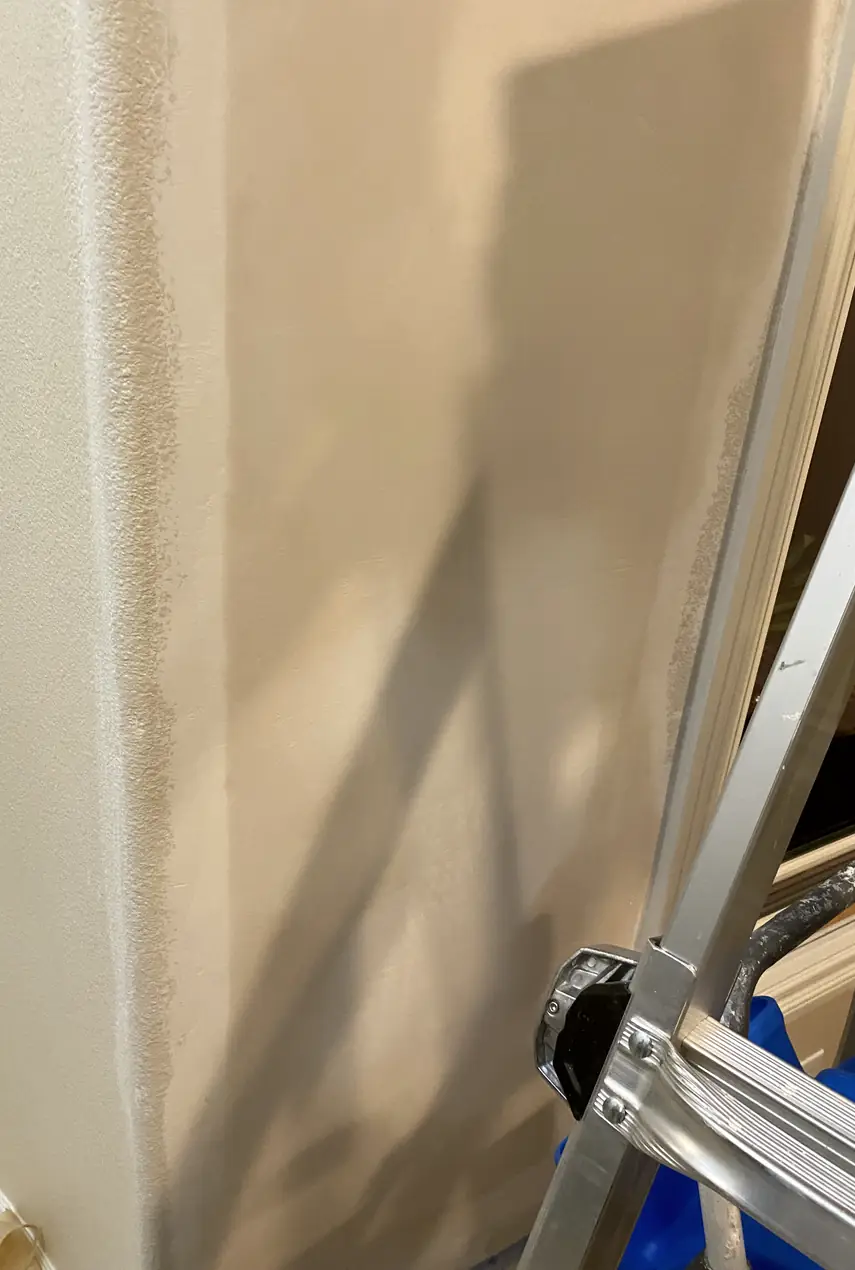
When the corner of my hallway wall took a hard knock — a big chunk missing and rough, broken edges — I knew it wasn’t going to blend back in by just slapping on some joint compound. The damage was ugly and caught every angle of light, throwing shadows across the wall that made it impossible to ignore.
I tried patching it myself, mixing compound and sanding, but the seams shrank and cracked as they dried. The texture never matched, and under natural light, the patch stuck out like a sore thumb. Every attempt revealed uneven sanding and mismatched paint tones, making the flaw more obvious — not less. That’s when I realized Sheetrock repair is trickier than it looks.
Calling in a local handyman for precise Sheetrock repair took the stress off. They controlled dust, feathered multiple compound layers just right, and matched texture flawlessly so no shadow lines remained. The final wall was flat from every angle, with zero visible patch. Clean, professional work done right the first time — no callbacks, just seamless repair.
In La Habra homes, small sheetrock dents can start subtly but escalate quickly. Understanding these triggers is key as minor flaws often evolve into complex drywall repair needs.
Repeated swings of door handles punch shallow dents or chipped edges in drywall. Over time, these small depressions gather dirt and crack around the impact zone, making simple scratches look far worse.
Patching access holes for pipes or wiring leaves uneven edges and exposed gaps. The original clean surface is disrupted, which can peel or crumble without proper finishing and blend.
Heavy mounts secured with anchors often loosen, pulling chunks from the drywall. The resulting holes and fractured texture create more than just cosmetic flaws—these areas weaken the wall integrity.
Shifting walls or settling foundations cause fine cracks at drywall corners and seams. These slender fractures split paint and paper surfaces, splitting apart what once seemed solid and uniform.
Homeowners often ask about these drywall issues during the same visit.
HubPro also handles these home repair tasks in La Habra when you need more than drywall repair.
When drywall gets damaged—whether from accidental holes or water spots—we tackle those repairs just outside of La Habra with the same care. Patchwork, sanding, and finishing come together quickly in nearby neighborhoods, so even smaller Sheetrock repairs don’t have to wait around before looking right again.
Our drywall repair work is centered in La Habra, focusing on small fixes like patching visible damage and finishing walls. We cover nearby spots within a short drive across Orange County, planning visits so multiple jobs cluster close by for efficiency. This helps with scheduling return trips as needed without stretching travel too far.
For projects just outside La Habra, we extend service into nearby communities where trips can be combined with local work to keep visits practical and timely. Brea and Fullerton.
Answers to common concerns about visible sheetrock damage including drying time, patch visibility, texture issues, and why professional repair matters in La Habra.
When drywall mud is wet, it fills the damage smoothly, but as it dries, it shrinks leaving dips or cracks. This happens because the mud loses moisture unevenly. Ignoring this means the damage shows again. Proper repair includes applying multiple thin coats, sanding between each, to keep the surface flat and stable, ensuring a clean look that won't come back.
Edges of a patch often show up when the joint compound isn't blended well with existing sheetrock. Light coming from the side highlights the feathered seams. This happens because the texture or sanding wasn't smooth or the paint didn't cover properly. Skipping proper blending means the repair stays visible. The right fix involves careful feathering, sanding, and sometimes matching texture to hide edges fully.
DIY patches can seem okay at first but often lack smooth sanding, proper texture, or stable drying. Without professional touch, patches can crack or appear uneven under certain light. Failing to fix this properly means the problem keeps coming back. Hiring a handyman gets you clean work with no callbacks, proper blending, and a long-lasting repair that holds up.
Cheaper patches might stop the damage temporarily but don’t address underlying issues like uneven texture or unstable mud. More thorough repairs cost more because they include proper sanding, multiple coats, and texture matching for seamless walls. Skimping can mean frequent re-patching and visible flaws. Investing in quality work prevents the damage from worsening and visible repairs in La Habra’s light.
Small dents or holes might take a simple patch, but larger or irregular damage often requires replacing sheetrock sections. If the wall looks wavy or patch edges are deep, just filling won’t hold. Ignoring this leads to cracks or peeling paint later. Proper repair means cutting out damaged parts, installing new drywall, then mudding and texturing for stable, clean results.
Wall textures vary—knockdown, orange peel, or smooth finish—and mismatched textures from quick patches stick out, especially under bright side light. This happens because the mud wasn’t applied using the original texture method. Leaving texture issues unaddressed makes patches pop visually. The correct approach replicates texture with matching tools and techniques so the repair blends seamlessly with the existing wall.
Improper drywall repair often fails to bond well and cracks or chips easily over time, worsening damage and making it more noticeable. Drywall mud needs proper prep, drying, and blending to ensure stability. If ignored, you’ll see peeling or repeated cracks. A well-done repair uses stable materials and techniques that last, providing a clean wall surface with no need for frequent touch-ups.
Our precise Sheetrock repair process tackles impact damage and visible seams by expertly stabilizing, patching, and finishing to ensure no trace remains. DIY attempts often fail due to poor drying and blending.
Carefully cut out the damaged sheetrock around the impact to create a clean, stable edge. DIYers often rush this, causing unstable patches that crack or reveal rough edges under lighting.
Fit a custom-sized patch into the clean opening, securing it firmly. Incorrect sizing or loose fitting by amateurs results in bulges or gaps that become obvious shadows when light hits.
Build up joint compound slowly with several thin coats, allowing each to fully dry. Rushed drying phases common in DIY work cause shrinking and surface unevenness visible under reflection.
Skillful sanding with gradual feathering blends the patch edges seamlessly into existing wall. Lack of dust control or uneven sanding leads to flashing paint and visible seams that professional prep avoids.
Recreate the original wall texture and apply matching paint for an invisible finish. Skipping this or poor blending causes inconsistent visual patterns that catch shadows, revealing the repair.
Top-Rated Drywall repair — 5 Stars on Yelp & Google
These 8 detailed reviews reflect a variety of experiences with drywall repair services in La Habra, covering issues from door hole damage to paint mismatch, highlighting the thoroughness and skill in Sheetrock repair in La Habra.
★★★★★
There was a big hole in my bedroom door frame. I tried a quick patch but it looked bumpy and uneven. The handyman came, explained every step, sanded thoroughly, and now the texture doesn’t draw attention even under direct light.
Anna L
★★★★★
I found a drywall patch near me after wasting hours trying a DIY fix. It sunk the day after and looked rough. The pro came back for a second pass, kept things clean, and now it’s not noticeable at all.
Chris D
★★★★★
My drywall had this weird soft area around an old leak spot. I thought a simple fix would work but it got worse. They identified weak sheetrock and did a full drywall installation, showing up on time and no callbacks needed.
Jenna M
★★★★★
The paint finish over a previous repair always stood out with visible seams and flashing. They handled the drying carefully over multiple visits and made sure the drywall and paint matched better than I expected.
Mark F
★★★★★
Tried fixing a dent myself but the patch never sanded smooth and the texture was off. The handyman’s drying process took patience and he controlled dust really well. The surface is even now and blends under light.
Rachel S
★★★★★
Had a cracked edge from door movement that I thought was just cosmetic. The guy explained what was needed, did drywall repair services, came back for a second coat, and it’s been solid with no callbacks.
George T
★★★★★
Last time a handyman rushed and left a bad patch. This time, he took his time, kept the area spotless, and the texture match is better than before—next day it didn’t sink or crack. Felt more professional.
Emily R
★★★★★
Somehow, previous patch was flashing paint and uneven texture right by the hallway corner. This repair job involved sanding and careful finish layering. He showed up on time, explained the process, and the wall looks normal now.
Luis Hernandez
In La Habra, Sheetrock repair often uncovers issues like failed DIY patches or mismatched textures that complicate the process. Properly fixing these takes more than just covering holes—it’s about prepping right and blending perfectly.
$150+
Basic prep with cleaning and sanding, one coat of compound, and minimal blending. Drying time is quick, usually done in a single visit for clean, sturdy repairs.
$280+
Repairs involving rough or irregular holes require extra prep to smooth edges, multiple compound layers with drying time, plus return visits to ensure the texture blends seamlessly.
$420+
When textures don’t match, extensive finish work and several drying cycles are needed. This layered approach prevents noticeable patches and avoids callbacks by getting it right the first time.